 K–5 Lesson
Teacher's Guide
The Jewish Year
A year of Jewish holidays, told through what families do · Grades K–2
K–5 Lesson
Young children meet the wider world one concrete example at a time, a food, a candle, a song. This lesson introduces Jewish life the same way a classroom already introduces other cultures' celebrations: through what a family does across a year. Children who meet Jewish holidays early, as ordinary and recognizable family traditions, build a frame that holds people in it. That frame matters later, but for now, the only goal in front of the students is simple and warm: here is what these days are, and here is what families do on them. Teach it the way you would teach the Lunar New Year or Diwali. No belief is taught as fact; the lesson describes practice, what people light, eat, sing, and retell.
Students learn that Jewish families mark a year of special days, each with its own foods, objects, and activities, and that the Jewish year has its own shape, with a new year in the autumn. By the end, a student can name two or three Jewish holidays and say what a family does on each.
Ask: "What special days does your family celebrate? What do you do, special food, songs, decorations?" Let several children answer. This activates the universal idea: families everywhere have special days.
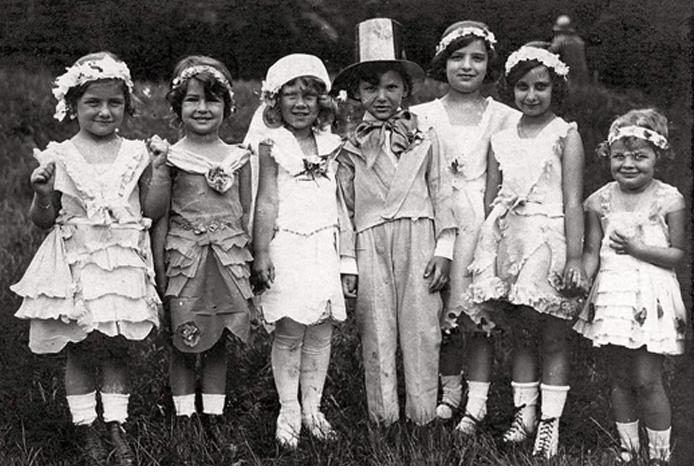
Tell the class that Jewish families have a year of special days too. Walk through the holidays above, keep it concrete: the candle, the apple and honey, the costume, the flat bread. Pass the Wheel of the Jewish Year handout so children see the holidays arranged around a year, starting with the autumn new year.
Distribute the Holiday Matching cards. Children match each holiday to what families do (candle → Hanukkah, apple and honey → Rosh Hashanah, costume → Purim, and so on). Color when finished.
Go around: each child names one holiday and one custom families keep on it. Send the vocabulary card home for families to review together.